
Making the World Cup Work for Communities
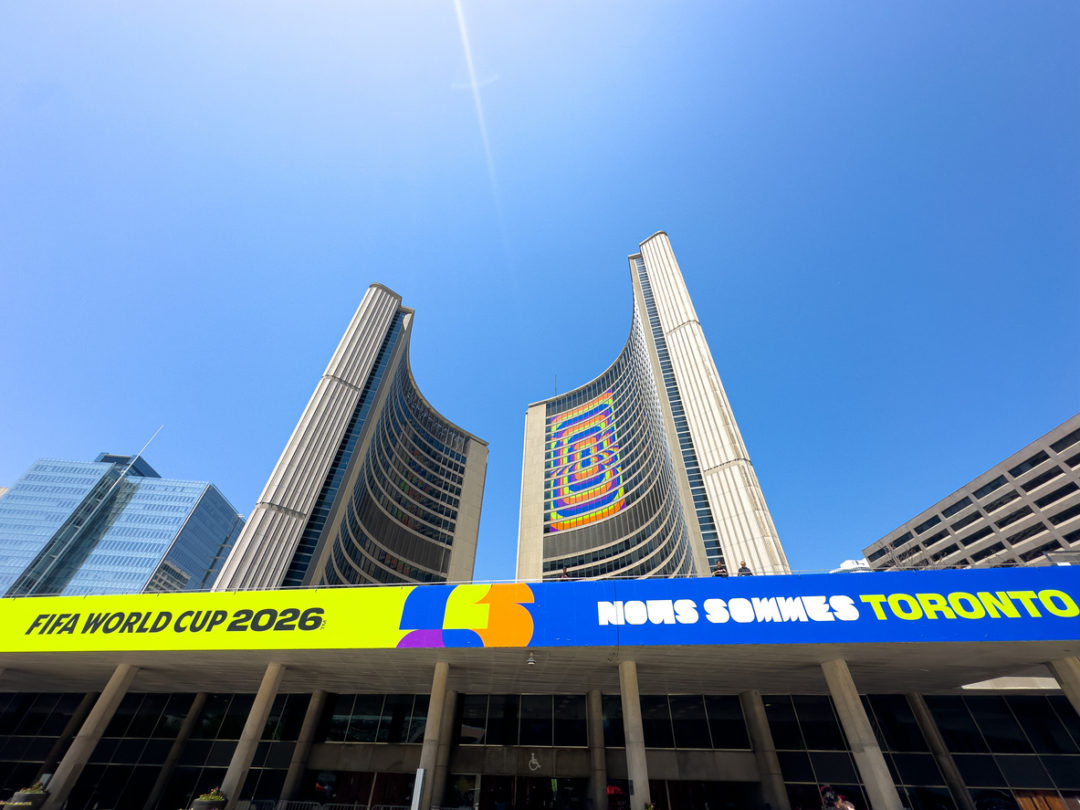
For host cities, few opportunities are as exciting—and as controversial—as welcoming a major sporting event like the 2026 FIFA Men’s World Cup. As Toronto and Vancouver host the tournament, concerns persist about high public costs and uneven economic benefits. Despite the anticipated boost in tourism and visitor spending, cities often struggle to turn those expectations into tangible gains for local communities and businesses.
History suggests such wariness is warranted when cities host international sporting events. These cities often spend heavily on new infrastructure that is rarely used once the event ends, as in the case of Brazil after the 2014 World Cup, where the usefulness of stadiums built for the tournament is still debated today. Meanwhile, FIFA and its corporate partners benefit at the expense of small businesses through control over key parts of the event, including trademarks, while reports have documented worker abuse, including migrant worker deaths ahead of the 2022 World Cup in Qatar linked to poor working conditions.
Still, the benefits are not just theoretical. Industries from hospitality to construction often see increased economic activity in the lead-up to, during, and after the World Cup. According to the Bank of Montreal (BMO), which has a sponsorship relationship with Canada Soccer, Canada could see between $500 million and $1.5 billion in GDP gains from tourism alone.
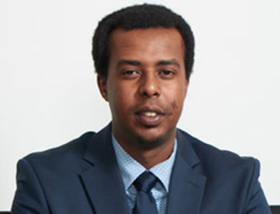
As director of community engagement at the Toronto Community Benefits Network (TCBN), a community-labour coalition advancing economic inclusion in Toronto, I help develop strategies to help ensure these social and economic benefits reach more communities and are effectively tracked. We believe that any project involving public spending should maximize public benefit. Working with a coalition of community groups, labour organizations, and social enterprises, we aim to represent the needs of Toronto’s diverse communities.
We immediately recognized the risks and opportunities of the World Cup when rumours a Toronto bid started surfacing in 2021. I personally experienced the benefits that major sporting events can bring during the 2015 Pan American Games. At the time, I was an undergraduate struggling to pay my bills, and the city’s community benefit strategy helped me land a summer job by funding the training I needed to obtain a security guard license. That opportunity allowed me to work during the event and continue in the field for a few years before transitioning into full-time community engagement work and eventually joining TCBN in 2018.
Against the backdrop of the recent challenges facing young people in the job market, it became clear to us at TCBN that the World Cup could be leveraged in a similar way. We sprung into action early, working with partners including Social Planning Toronto, Workers Action Centre, Toronto Environmental Alliance, TTC Riders, and others to send letters and attend city council meetings to advocate for a community benefits plan. Those efforts led to the creation of six advisory boards in 2024, with mandates ranging from human rights to climate strategy. TCBN co-chaired one alongside the City of Toronto and Buy Social Canada, a consultancy organization that connects socially conscious buyers and suppliers. Together, we organized our work around three pillars: social procurement, inclusive workforce development, and legacy.
Under social procurement, our goal was to ensure economic opportunities were shared across small and medium-sized and diverse-owned businesses in Toronto. Rather than defaulting to large firms, we pushed for a broader range of suppliers, including Black and Indigenous-owned enterprises. The city set a $20 million social procurement target, which the advisory board on community benefits and social procurement worked with stakeholders to help achieve. By opening up procurement opportunities, more businesses could participate in the tournament and benefit from its economic impacts.
We also developed a plan to create employment opportunities for young people. Because the tournaments take place in the summer, when students are out of school and seeking work, the Community Benefits Plan enabled the city to partner with employers across Toronto to create roles offering training and mentorship, helping participants build skills and experience that could extend beyond the tournament. Employers were encouraged to meet targets for hiring and apprenticeship training. We also worked to raise awareness among young people about career opportunities linked to the event through initiatives such as the Youth Career Summit and City-led information sessions with FIFA, which was seeking to fill around 100 tournament-time positions.
Related: How We Built an App for Sports Fans to Find Places to Play
Lastly, we remain focused on the legacy aspect of our plan. We want the World Cup to have a lasting positive impact on Toronto and its residents. A key part of this is the development of new mini-pitches and soccer facilities, including a new pitch at Centennial Park, to support the long-term growth of the sport. While the City committed to building 12 mini-pitches in high-need neighbourhoods, only four have been completed ahead of the World Cup. The challenge now is to ensure equitable access to these facilities and complete the remaining pitches so all Toronto communities see the benefits they were promised.
Ensuring that an event as large as the World Cup is delivered in a way that benefits local communities requires a team effort. Throughout the planning process, we worked to ensure community concerns were reflected in decision-making, helping shape the city’s approach to hosting the tournament. Moving forward, I hope this serves as a teachable moment that informs how the city uses its economic power to support good jobs close to home, inclusive economic development, and youth opportunities for years to come.
– As told to Marta Anielska