
How to Start Your Company’s Reconciliation Plan
In January 2024, a new Starbucks store opened in Quinsam Crossing, a commercial area just outside Campbell River, British Columbia. Like many locations across Canada, the 1,700-square-foot interior is bright and airy, with cedar-panelled walls and pistachio-coloured banquettes. Classic coffeehouse features are on display, including espresso machines, menu boards, and an assortment of baked goods.
What sets this store apart, however, is its ownership: the Quinsam Crossing Starbucks is licensed and fully operated by the We Wai Kai Nation. It’s one of only three Indigenous-owned Starbucks stores in the country–and the first on Vancouver Island to be operated by a First Nation. A hand-painted mural at the entrance reflects this ownership. Created by local artist Jessica Chickite, it draws from the Nation’s Great Flood creation story, blending it with Starbucks’ iconic siren swimming through the water—a symbol of their partnership.
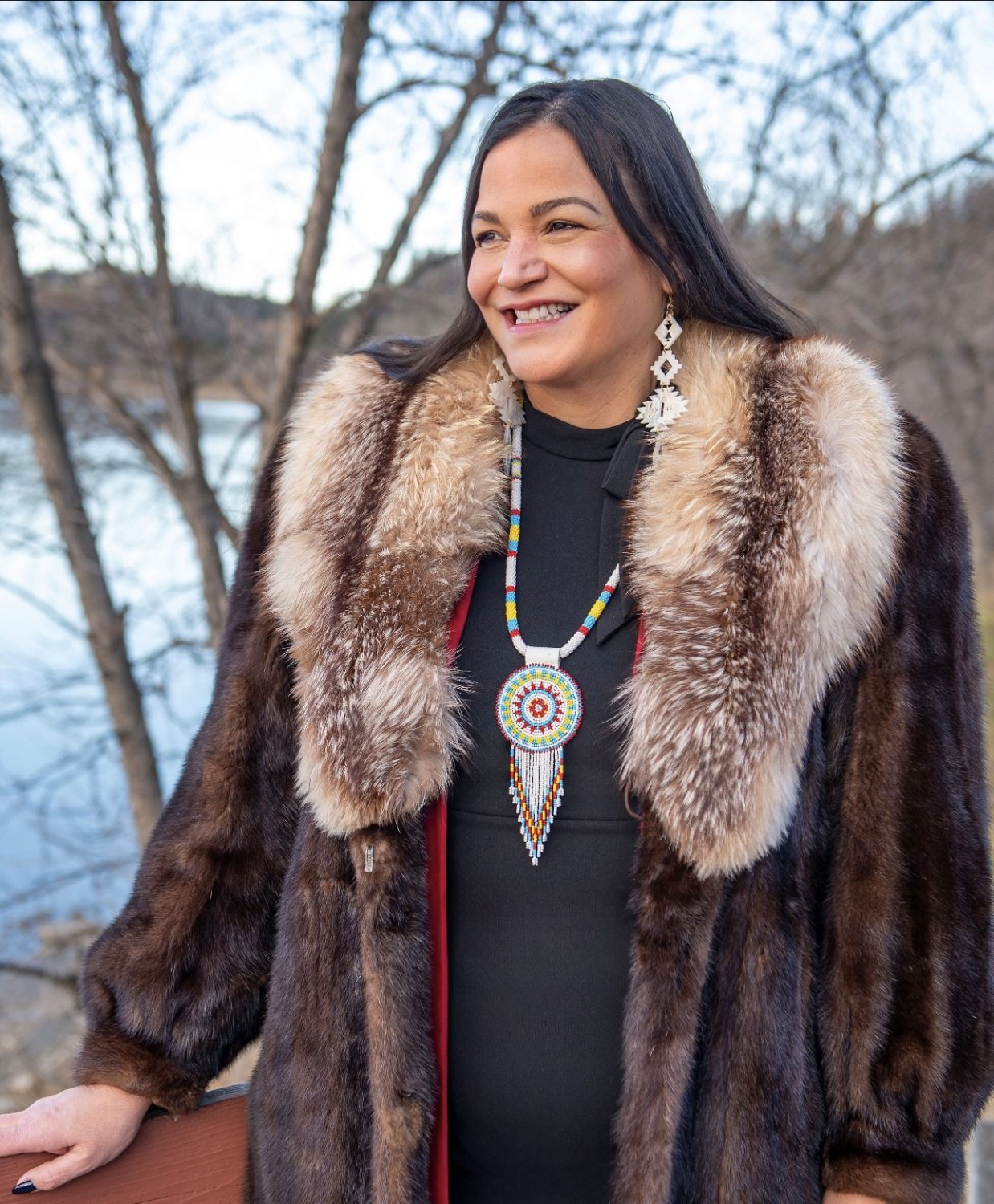
The Quinsam Crossing store’s opening was years in the making. Starbucks partnered with Tanya Tourangeau, a Dene reconciliation strategist based in Bear Hills, or Maskwacis nation, in Alberta’s Treaty 6 territory, to bring it to fruition. With decades of experience working in economic development, she now focuses on supporting non-Indigenous governments, organizations and corporations, such as the Co-operators and the Cooperative Housing Federation of Canada, to meaningfully respond to the Truth and Reconciliation Commission’s Call to Action Number 92: business and reconciliation.
This call to action encourages businesses to adopt the United Nations Declaration on the Rights of Indigenous Peoples (UNDRIP) as a framework by respectfully engaging Indigenous peoples on development projects, ensuring equitable access to jobs and training, and educating staff on Indigenous history, treaties, and law. At its core, reconciliation is about building and sustaining respectful relationships between Indigenous and non-Indigenous peoples, acknowledging past harms, and working toward lasting economic benefits for Indigenous communities.
Economic reconciliation, which seeks to address past injustices through fair and inclusive partnerships, is gaining ground across Canada. A 2016 report by the National Indigenous Economic Development Board estimated it could add $27.7 billion to Canada’s economy each year. Today, Indigenous-led businesses already contribute over $31 billion to the national GDP. Indigenous ownership not only drives economic growth but also creates jobs for Nation members, increases representation in mainstream business, and amplifies Indigenous languages—from in-store signage to greetings and community programming.
Bringing this vision to life requires a balanced perspective. “I help corporations, businesses, governments, and communities look at reconciliation through a two-eyed lens,” Tourangeau said. “We still honour the Western way of data, frameworks, and finance, but with a second eye, we look at Indigenous ways of knowing, being, and doing.”
Tourangeau first met the Canadian Starbucks team in June 2021 during a mentoring workshop for Indigenous youth. She was later invited to lead a Truth and Reconciliation Foundation session for their senior leadership, where she outlined the Commission’s work, the case for business reconciliation, and how Starbucks could respond to Call Number 92.
During these sessions, Tourangeau spoke with Shannon Leisz, Starbucks’ vice president of store development and strategic growth, about opening the first Indigenous-owned store—but that wasn’t the initial goal. As Tourangeau explains, “My strategy proposal to Shannon was: we’re going to build relationships, and we’re going to build trust.”
She suggested the Starbucks team attend a national conference of Indigenous economic development officers hosted by the Council for the Advancement of Native Development Officers (CANDO) just outside of Saskatoon: “We’ll attend the upcoming conference and truly attend it. Slowly, we’ll spread the word of what Starbucks desires.”
Throughout the conference, the team participated in presentations, circles, and informal hallway conversations about culture and reconciliation in business. Tourangeau introduced them to development officers from across the country. “What stood out was how the team carried themselves—no sales pitch, no deck, just presence. They asked about protocol. They listened more than they spoke. That matters in our world,” she says.
Tourangeau initially expected it would take years to build trust. But before the conference ended, Jason Wilson, the economic development officer for the We Wai Kai Nation, approached the team. Impressed by their approach, he shared that the Nation had prime development lands on Northern Vancouver Island and a vision for long-term prosperity. The project wasn’t just about opening a store—it would be a community gathering space, a training and employment path, and a reflection of local identity. “The best kind of partnership starts the way that one did: relationships first, paperwork second,” Tourangeau says.
Her work is tailored to each organization. For example, she helped The Co-operators develop their first reconciliation strategy, which includes adapting their insurance offerings to better serve Indigenous clients by covering regalia, dancewear, eagle feathers, or ceremonial items, which aren’t traditionally insured.
Tourangeau stresses that effective reconciliation strategies go beyond Western metrics like retention or revenue. They must also include Indigenous values, such as trust, relationship-building, and cultural safety to foster deeper, more meaningful connections. The Starbucks-We Wai Kai partnership exemplifies this holistic approach. It supports the Nation’s economic goals, including youth employment and leadership, while enabling Starbucks to forge lasting relationships with Indigenous communities. At the same time, it brings a well-known global brand to the region, offering travellers a convenient stop while creating local impact.
This Nation isn’t alone in its efforts. In 2023, the Muskeg Lake Cree First Nation in Saskatoon opened a Starbucks on its Asimakaniseekan Askiy reserve, followed by another location on Red Pheasant Cree Nation last year. “When I see successes, like stores opening, my people can feel proud,” Tourangeau says. “Proud to work there, to live there, and of the economics that flows from there. It’s where we could have been 126 years ago. But it’s not too late.”
Just like having business insurance or a DEI department, she believes reconciliation strategies should become standardized for companies. To be effective, she says, reconciliation strategies must align with an organization’s values, mission, and purpose, and be co-created with Indigenous partners from the start. Internally, she encourages companies to elevate reconciliation beyond DEI or HR. “That’s backwards,” she says. “Reconciliation sits on constitutional and legal ground in Canada. It’s an enterprise mandate—not a program.”
A dedicated reconciliation department, she suggests, would include an office of reconciliation and nation partnerships reporting directly to the CEO. Core teams might include cultural safety and learning, Indigenous talent, Indigenous supply chain and investment, data sovereignty, and brand integrity. Governance structures could involve elders and knowledge keepers councils and Indigenous advisory circles with decision-making authority.
Related: How to Add Belonging to Your DEI Strategy
In the first 90 days, companies should set a top-level mandate, begin leadership education, and issue a public statement outlining immediate reconciliation actions. The next 90 days can focus on designing sacred metrics, formalizing Nation partnerships, and updating policies. After the first year, Tourangeau recommends publishing a reconciliation report that integrates ESG, SDGs, and sacred metrics, explaining that this gives senior leaders a roadmap for embedding reconciliation across finance, operations, HR, risk, marketing, and investment.
Tourangeau says that true reconciliation begins at the foundation—with strategies co-designed alongside Indigenous partners and guided by experienced Indigenous consultants. “The right guide,” she says, “will help you co-create a plan that’s not only credible but measurable.”