
The Dos and Don’ts of World Cup Marketing

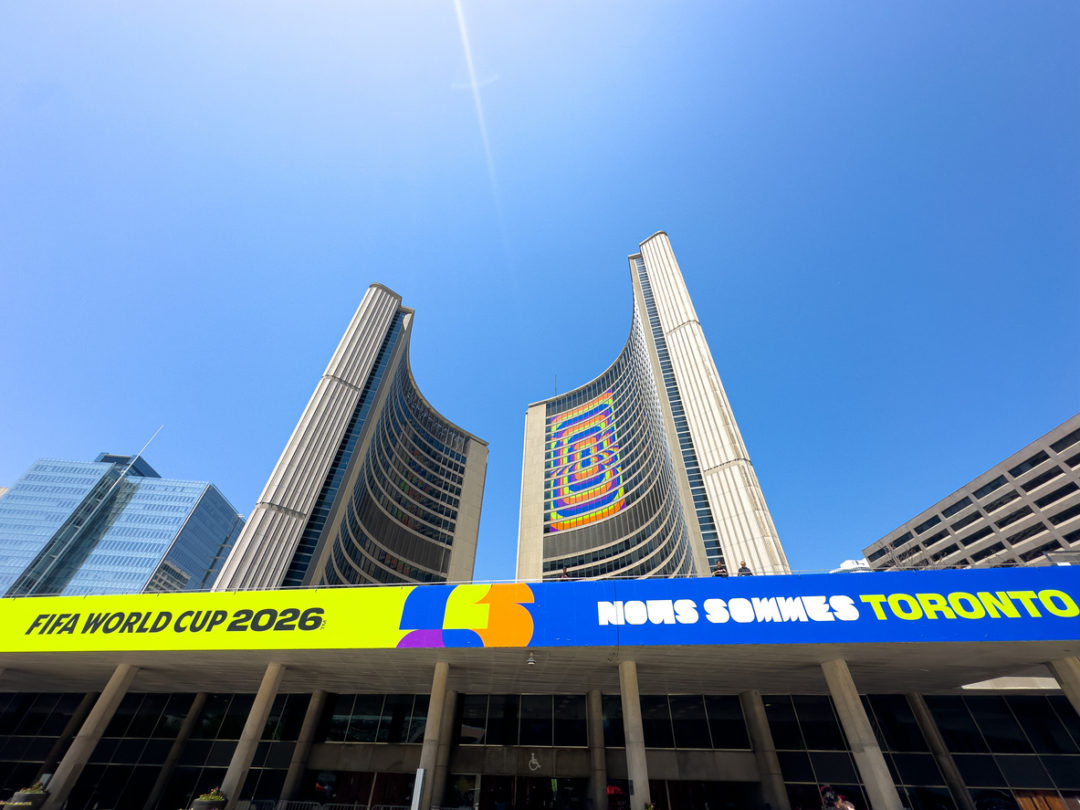
For the first time in history, Canada is hosting the men’s FIFA World Cup alongside Mexico and the United States. Throughout June and July, Toronto will host six matches and Vancouver seven. With thousands of fans expected to travel for the event, the surge in visitors presents a major marketing opportunity for businesses of all sizes.
But those engaging with the tournament face a legal tightrope under strict intellectual property rules to protect FIFA’s official sponsors and partners. Those sponsorship agreements are expected to generate a record US$2.7 billion for the organization this year. Even vendors inside stadiums must navigate stringent branding and trademark regulations throughout the tournament.
That includes Pizza Pizza. The Toronto-based chain will sell slices at both Toronto and Vancouver venues during the World Cup, but none of the products will carry its branding. To comply with FIFA’s sponsorship rules, it will replace its iconic orange boxes and packaging with unbranded alternatives. “We have to de-brand all our products to be compliant,” chief marketing officer Adrian Fuoco said. “But it’s still a Pizza Pizza slice.”
Finding ways to benefit from the world’s biggest soccer competition without violating FIFA’s rules can be challenging, but experts say businesses that approach the tournament thoughtfully can still gain from the attention it brings. Here are a few tips to keep in mind.
Do insert your brand into conversations fans are already having
Air Transat’s recent billboard campaign, created by Montreal-based agency Courage, shows how brands can tap into World Cup-focused conversations without infringing on FIFA’s sponsorship rules. The ad compares the cost of attending the tournament to the cost of travelling abroad to experience a host country’s culture firsthand, using an airplane trail to visually connect a soccer pitch with the sky.
Vijay Setlur, a sports marketing instructor at York University, says the campaign succeeded because it tapped into a conversation consumers were already having, tying Air Transat into broader discussions about travel, affordability, and the World Cup experience. “They inserted themselves into a conversation that’s been rampant for the last few months in an authentic way,” Setlur said.
For businesses without the marketing budgets of larger brands, Toronto-based beverage and hospitality expert Evelyn Chick says the same principle applies. Rather than trying to create standalone buzz, small businesses can connect their existing strengths to cultural moments customers are already following. That could mean building around a signature cocktail, menu item, or recurring event. “That could even look like a fun DJ night that nods to the cultural moment,” Chick said.
Do combine digital and physical experiences in your activations
The World Cup audience extends far beyond the stadium. Fans will follow matches through social media, streaming platforms, and watch parties, creating opportunities for brands to connect with audiences both online and in person. Setlur describes this “phy-gital” marketing strategy as combining on-the-ground activations and digital engagement. “You can optimize your investment and reach people by engaging them with your brand, without them having to be physically present at a Fan Fest or in the stadium,” Setlur said.
At the 2022 FIFA World Cup in Doha, Qatar, Setlur noticed non-partner brands creating immersive spaces with interactive screens and other technology-driven experiences. These activations extended beyond the tournament through social content and apps before and after the event. He further pointed to tools such as websites, storefront TVs, and watch parties as ways brands can reinforce on-the-ground activations.
Do lean into national pride and fan culture
Hosting a global tournament on home soil gives brands a chance to embrace creative marketing that reflects the country and its fan culture. Instead of using official FIFA branding, businesses can tap into soccer culture itself. Pizza Pizza has already taken that approach, transforming its rectangular party pizza box into a miniature pitch with plastic nets and a cardboard ball–a playful nod to the game without official World Cup branding. “That creates an association with the excitement of the game without infringing on anybody’s rights,” Fuoco said.
The chain also launched “Dip Cup Nations,” inviting customers to arrange coloured dipping sauces into national flags. For small businesses, he recommends focusing less on logos and trademarks and more on creating experiences that celebrate the countries and cultures involved.
Don’t use FIFA branding as a non-official sponsor
FIFA strictly protects its trademarks, particularly around stadiums and official fan zones, where host cities must enforce controlled commercial zones for non-partner brands. Businesses that are not official sponsors cannot use terms such as “World Cup” or “FIFA” in promotions, or messaging that suggests an official association with the tournament. Restrictions also apply to soccer-related advertising within a set radius of venues on match days and in the lead-up to games. Businesses that violate these rules risk enforcement actions, including cease-and-desist orders and financial penalties.
Don’t assume small businesses are too small to notice
Setlur warned that local bars, restaurants and retailers should not assume FIFA will overlook violations, which can include incorrectly implying an official association with the tournament or using FIFA content for commercial purposes on social media. In Vancouver, for example, bylaw officers have said they will issue $1,000 fines for certain infractions. To avoid penalties, Setlur recommends businesses consult local host committees and refer to resources such as Toronto’s Community Activation Toolkit, which outlines what is and isn’t permitted during the tournament.
Related: How We Built an App for Sports Fans to Find Places to Play
Don’t chase attention at the expense of authenticity
Fuoco said successful brands come across as authentic rather than opportunistic, particularly in the Canadian context. He added that brands outside Canada need a natural entry point into the moment, and that the challenge is finding ways to engage without appearing out of place. “If you’re not a Canadian brand, what’s the right way in that’s still not going to look like you’re just being overly opportunistic?” he said, noting that homegrown companies often have a built-in connection they can leverage.
For smaller businesses scrambling to finalize their marketing plans before the World Cup, Chick recommends leaning into what already defines them. “Every small business will reap the benefits of the traffic out there, so you don’t have to work too hard to make it FIFA-specific,” she said. “It doesn’t need to be heavy with branding because, first, you can’t–and secondly, it’s just not you.”