
How Fewer Products Can Drive Higher Returns
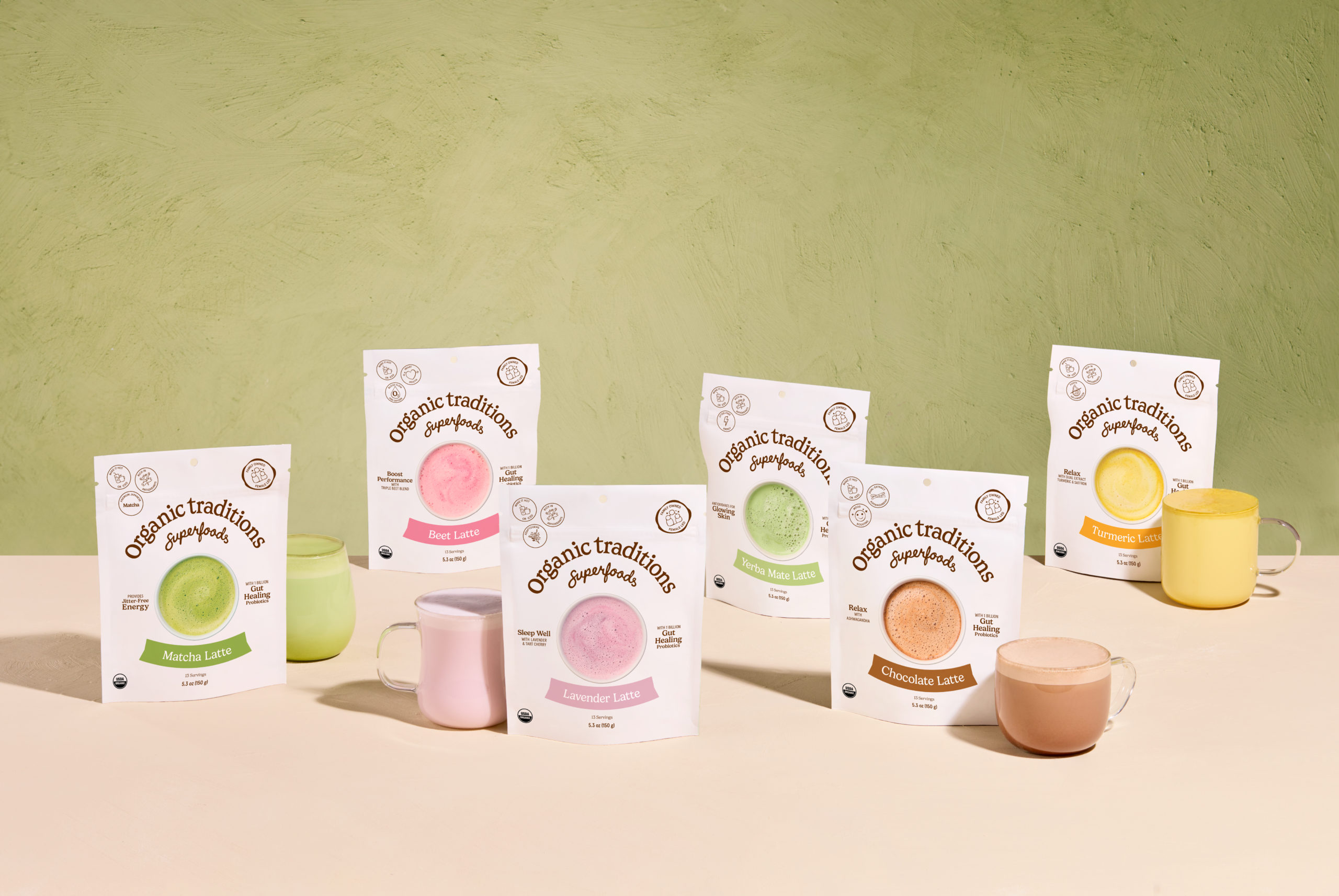
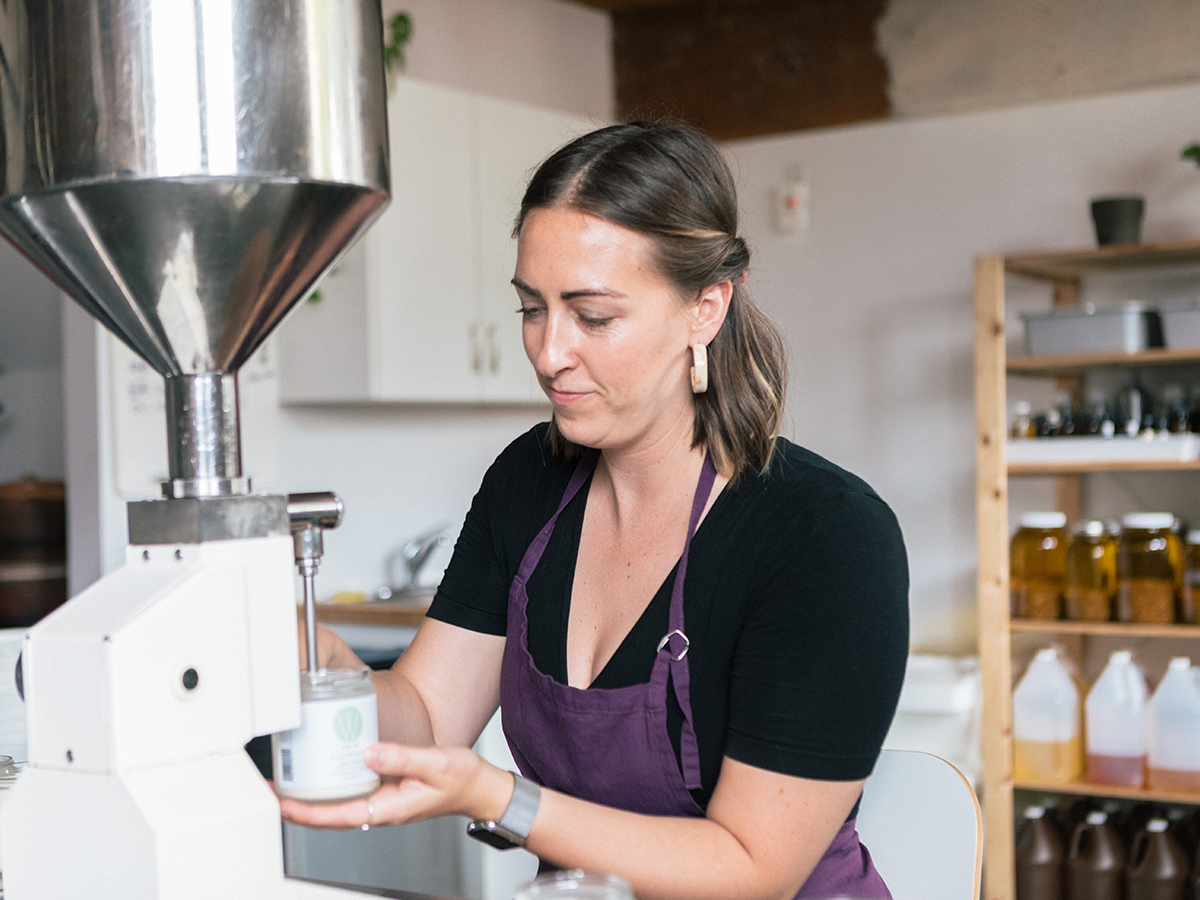
In both small neighbourhood health food stores and larger retail chains, shoppers keep returning to Organic Traditions’ superfood blends. The sachets contain ingredients like cacao from Peru, spices from India, and matcha from Japan. Still, inside the Toronto-based consumer-packaged goods (CPG) company known for its nutrient-dense, plant-based products, there was a nagging sense that its growth strategy was falling short.
In August 2024, Ally Zeifman-Mamalider, CEO of Organic Traditions, met with a newly formed advisory board to ask deeper questions about the brand’s future. The goal wasn’t simply a design refresh, she says–it was to sharpen the brand’s focus. Customer data showed that Organic Traditions’ product assortment had become too broad and difficult to manage as the brand grew. “Customers want energy, better sleep, and stronger mental cognition,” says Zeifman-Mamalider. “We needed to focus on these needs instead of chasing a larger portfolio.”
Over 25 years, the company expanded by evolving its product line—adding new offerings, flavours, and variations—but that growth came at a cost. Some products were clear winners, consistently driving revenue, while others lagged. Zeifman-Mamalider identified two types of underperforming blends: under-the-radar “sleeping beauties,” emerging trends that needed more strategic investment, and those that simply consumed time, space, and capital without delivering returns. The conclusion was clear: Organic Traditions would cut 55 per cent of its SKUs, or stock keeping units, to focus on blends already generating strong returns or with the potential to do so.
The move reflects a growing trend among modern retailers: major companies are discontinuing underperforming products to focus on what sells. Traditionally, consumer packaged goods brands operated on the assumption that more products meant more choices for shoppers and higher sales. But a 2026 analysis by analytics platform Tellius found that firms like Unilever, Mondelēz and Mattel saw higher profit margins–and in some cases, even grew revenue–after trimming their product lines.
At Organic Traditions, Zeifman-Mamalider saw an opportunity to apply these lessons internally, bringing the leadership team into a series of intensive workshops. Over several months, the team immersed themselves in the data, examining product performance, operational challenges, and future opportunities.
They found that while certain products accounted for more than half of the company’s portfolio, they occupied nearly 35 per cent of warehouse space—suggesting a mismatch between product range and storage usage. The brand also faced operational strain, with short production runs and frequent equipment cleanings slowing manufacturing. With products often taking more than a year to move from production to generating revenue, the team believed focusing on top performers could help accelerate the process.
The easiest decisions were cutting the lowest performers, but the real debate centred on the products with potential. The brand’s yerba mate latte mix, for example, represented a growing trend but required consumer education, as yerba mate remains relatively unfamiliar, Zeifman-Mamalider says. Other decisions were emotional–a hibiscus tea had a small footprint but a fiercely loyal following in a few independent stores, selling out regularly in places like Toronto’s Kensington Market. But on a national level, the same product might lack the scale needed to compete in larger retailers.
The sales teams worried that cuts could impact relationships with retailers. Instead of making abrupt changes, the brand took a slower, more deliberate approach, working closely with retail partners to share data, explain decisions, and suggest thoughtful replacements. The aim wasn’t just to remove products, but to improve overall performance without losing shelf space
This helped the brand’s team maintain trust with retailers. “We aren’t a big enough business that can afford to just cut and take the hit,” says Zeifman-Mamalider. “So we preferred to take a soft transition.” In practice, that meant working with key accounts to sell remaining stock through promotions on products being phased out or recommending stronger-performing alternatives.
With fewer products and resources no longer spread thin, Organic Traditions saw 50 per cent growth in net revenue over the past 18 months, with at least 30 per cent of that attributable to the SKU cuts. This allowed the team to work more intentionally, with meetings becoming more focused on the most important issues. This approach also led the brand to run clinical trials to back up product benefits and strengthen its credibility, while also tightening its criteria for new items. “That directly raises the bar for innovation,” says Zeifman-Mamalider. “Before a new SKU earns a place in the portfolio, we want to know it delivers a clear, evidence-backed benefit to the consumer.”
Related: The Case for Steady Growth
Throughout this process, she says one lesson stands out: launching new products for splashy marketing doesn’t necessarily move a business forward. She believes that having too many SKUs can hurt a company–when a customer sees twelve options instead of four, she says, the core portfolio gets diluted, and in many cases, the brand ends up cannibalizing itself. Today, Zeifman-Mamalider says that every product at Organic Traditions must meet a higher standard, ensuring it meaningfully contributes to the business rather than simply occupying shelf space.
For companies facing similar decisions, she emphasizes that optimization doesn’t need to be drastic. “You don’t have to get out your electric weed trimmer,” she said. “You can get a pair of scissors and start trimming.”