
I Started a Clothing Company to Plant Trees. Now I Help Others Track Their Impact

I grew up on the southern edge of Regina, Saskatchewan, in farming country. My father was an entrepreneur who started with a security business before launching a commodities streaming company that helped farmers in the Prairies finance essentials like fertilizers. Entrepreneurship was always a family affair: my mother managed much of the home front so my father could expand the business. Being raised in that environment, I saw firsthand what it means to take big risks to build something from the ground up.
As kids, my parents didn’t just encourage us to find summer jobs—they asked, “What could you build?” So at 15, my brother and I launched our first venture, Greenfield Carbon Offsetters. The name was a mouthful, but the idea was simple: plant trees on unproductive farmland in Saskatchewan to generate carbon offsets—credits sold to companies looking to reduce their emissions under cap-and-trade systems.
We weren’t trying to change the world—at least not at first. But I remember watching An Inconvenient Truth at school, learning about the Kyoto Protocol, and discussing environmental issues at the dinner table. I started wondering: If this problem is so big, what could we actually do? We knew that trees captured carbon, and Saskatchewan had plenty of underused land—so we connected the dots.
We pitched the company to local organizations, such as Saskatchewan crown corporations and TransCanada, eventually securing enough funding for a pilot. We chose fast-growing, resilient prairie trees like hybrid poplars and, over two summers, planted more than 150,000 of them. We hired friends, learned to weld, and built a custom cultivator to prepare the land. It was hard work: I’d be up at 4 A.M., on the tractor by 5, and sometimes not home until 10 at night.
Although the project succeeded, the business model wasn’t sustainable. We fulfilled our carbon offset commitments, but we realized that Greenfield wasn’t a long-term solution for funding reforestation. What stayed with us, though, was the joy of planting trees and the connections we built with NGOs, grassroots groups, and large carbon developers—all planting trees not just to offset emissions, but to create jobs, restore ecosystems, and support wildlife. While carbon offsetting caught people’s interest, it was the trees themselves that resonated most—living symbols of our potential to make a positive impact.
A few years later, while I was finishing at Western University, my brother Kalen had just graduated. While travelling in Hawaii with our friend, David Luba, they brainstormed ways to keep funding reforestation work. They landed on a simple idea: create a consumer brand that plants trees.
In 2012, tentree was born. Kalen and David returned from their trip, started the business, and brought me and our partner, Stephen Emsley, on board. Instead of selling carbon offsets, we decided to sell clothing and plant ten trees in Canada for every item sold. Apparel made sense because it’s something people use to express themselves. We thought that if someone loves trees, they would be proud to wear a logo—a growing tree—that shows they’re helping the planet.
From the beginning, tree planting wasn’t a donation or an afterthought—it was built into the product cost, like the fabric. If we couldn’t fund the trees, the product wouldn’t work. We faced naysayers early on. Shortly after launching tentree, we appeared on CBC’s Dragon’s Den seeking investors. Kevin O’Leary, one of the investors, called it a fad and tweeted, “People won’t buy clothes just to feel warm and fuzzy about tree planting forever.” I knew he was playing a character, and only seven minutes of our hour-long pitch aired. Still, as an entrepreneur, you learn when to listen to critics and trust your long-term vision. Uncertainty is the price of any great outcome.
We initially sourced T-shirts from American Apparel but learned that while their products were labelled “Made in America”, the fabric was often grown and spun in China—making them ineligible for import to Canada through NAFTA and adding unnecessary carbon emissions. Since we positioned ourselves as a sustainable company, we built our own ethical supply chain from scratch, visiting nearly 60 factories across China, India, Peru, and more to find partners who met our standards for sustainable materials and ethical practices. Over time, we moved beyond our early days of simply copying Patagonia’s factory Code of Conduct to working closely with suppliers on fibre sourcing, recycling, water management, and reducing transportation emissions.
We made other missteps too—like when some fleece products shrank inside a humid shipping container and arrived two sizes too small. We sold them as kids’ clothing to avoid losses, but owning the mistake strengthened our relationship with the manufacturer. Instead of pushing the product back, we ensured they didn’t lose money, building their confidence in us. That partner remains key to our supply chain and has since adopted new certifications and sustainability initiatives thanks to their confidence in our long-term collaboration.
Today, tentree ranks in the top five per cent of global apparel brands using preferred sustainable materials. We’ve funded the planting of more than 100 million trees, supporting reforestation projects in Madagascar, Indonesia, Haiti, and more. Every project meets three key criteria. The first criterion is environmental impact—does it sequester carbon, help mitigate climate change, restore ecosystems, or support biodiversity? Next is social impact—does the project create jobs, support food security, or encourage local engagement? Finally, there is verification—can our partner organizations reliably monitor and confirm their impact?
That third key requirement emerged as tentree grew. As we expanded globally, verifying the number of trees planted became a major challenge. In 2018, I travelled to Madagascar to visit a project where we had planted more than 10 million trees. Mangrove deforestation had disrupted the local ecosystem, threatening the fishing community’s livelihood. The impact of our work there was clear—once barren areas were now thriving with trees—but tracking and measuring that impact across multiple global projects was another challenge entirely.
Years after planting hundreds of thousands of trees, we visited sites only to find no sign they survived. Organizations we sponsored sent Google Photos albums showing the trees we supposedly planted, but the photos were nearly identical. In other cases, other businesses and non-profit organizations falsely claimed credit for trees we had planted.
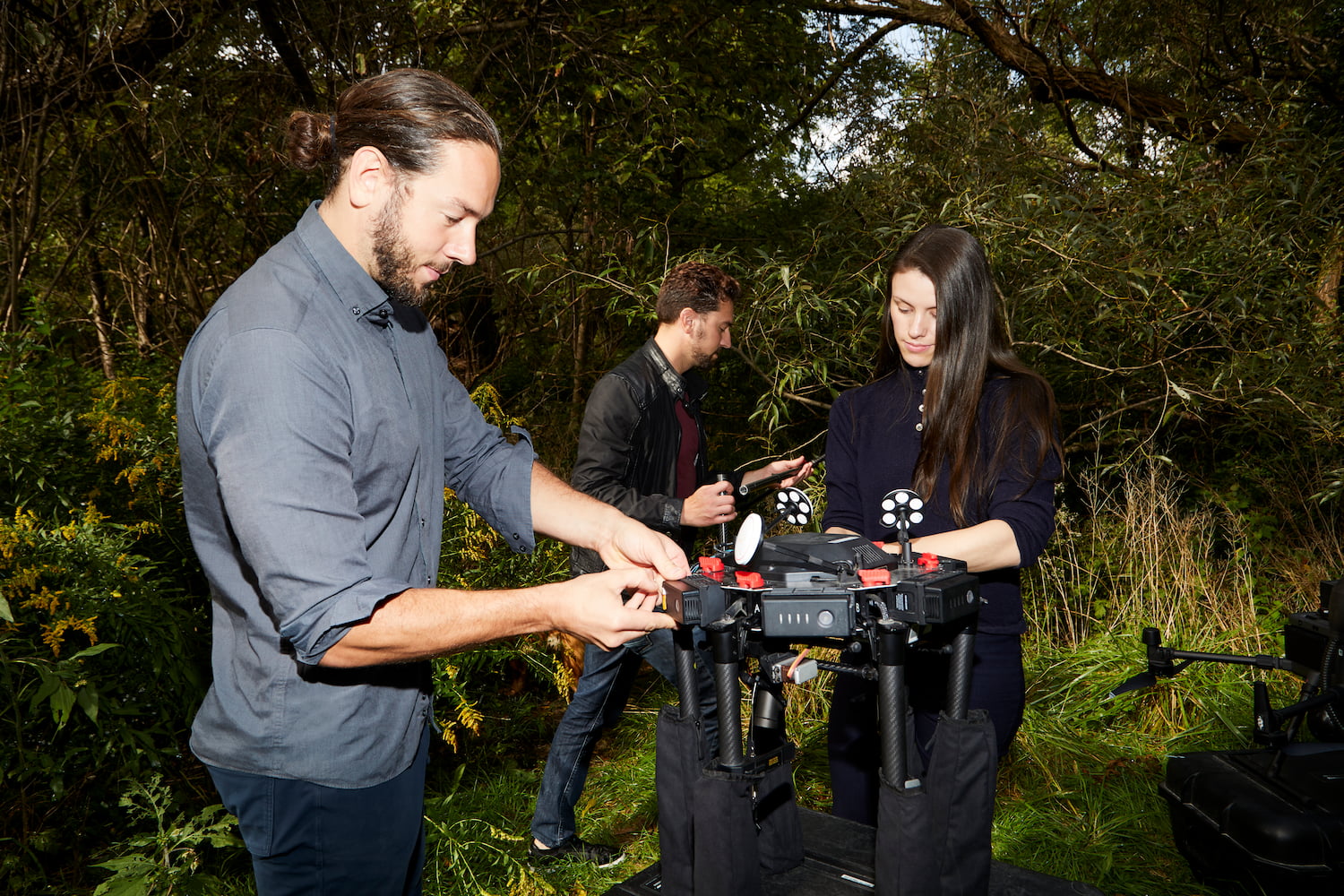
That’s why we created veritree—a platform to verify and monitor nature-based restoration. It began as internal software built by our partner, Stephen, to manage tentree’s projects. We soon realized thousands of companies across various sectors were planting trees and facing the same challenge. In 2022, after partnering with Samsung on a verified reforestation campaign, we spun veritree out as its own company. Today, it helps organizations manage reforestation from project design to monitoring, combining geospatial data with ground-based tracking to verify results. Used by more than 20,000 businesses and 350 partners worldwide, veritree ensures funded trees are actually planted and deliver real impact.
Related: How to Make Your Office More Sustainable
We failed many times on the way here and still aren’t perfect. Our business is nature—and nature is tough. We don’t get it right every time, but we learn from failure and use those lessons to build better projects and deliver stronger outcomes every day.
Almost seven years exactly after O’Leary’s tweet, tentree won EY’s 2019 Entrepreneur of the Year Award for Social Impact. When we accepted the award, we even read his tweet aloud. It’s not about rubbing it in people’s faces—it’s about believing in what you do. After all, it’s nice not to be a fad.
– As told to Xavi Richer Vis