
Can Rapid Grocery-Delivery Services Outlast the Pandemic?

Before taking over as CEO of delivery start-up Buggy in April, Nicole Verkindt had witnessed the appeal of rapid grocery delivery while visiting a friend in London, U.K. “She has two kids under five. Do you know how chaotic it is to get them dressed and in strollers because you forgot cilantro for your guacamole?” She watched her friend order last-minute items via a local service. Each time, for a £2 delivery fee, the item arrived at her doorstep within minutes.
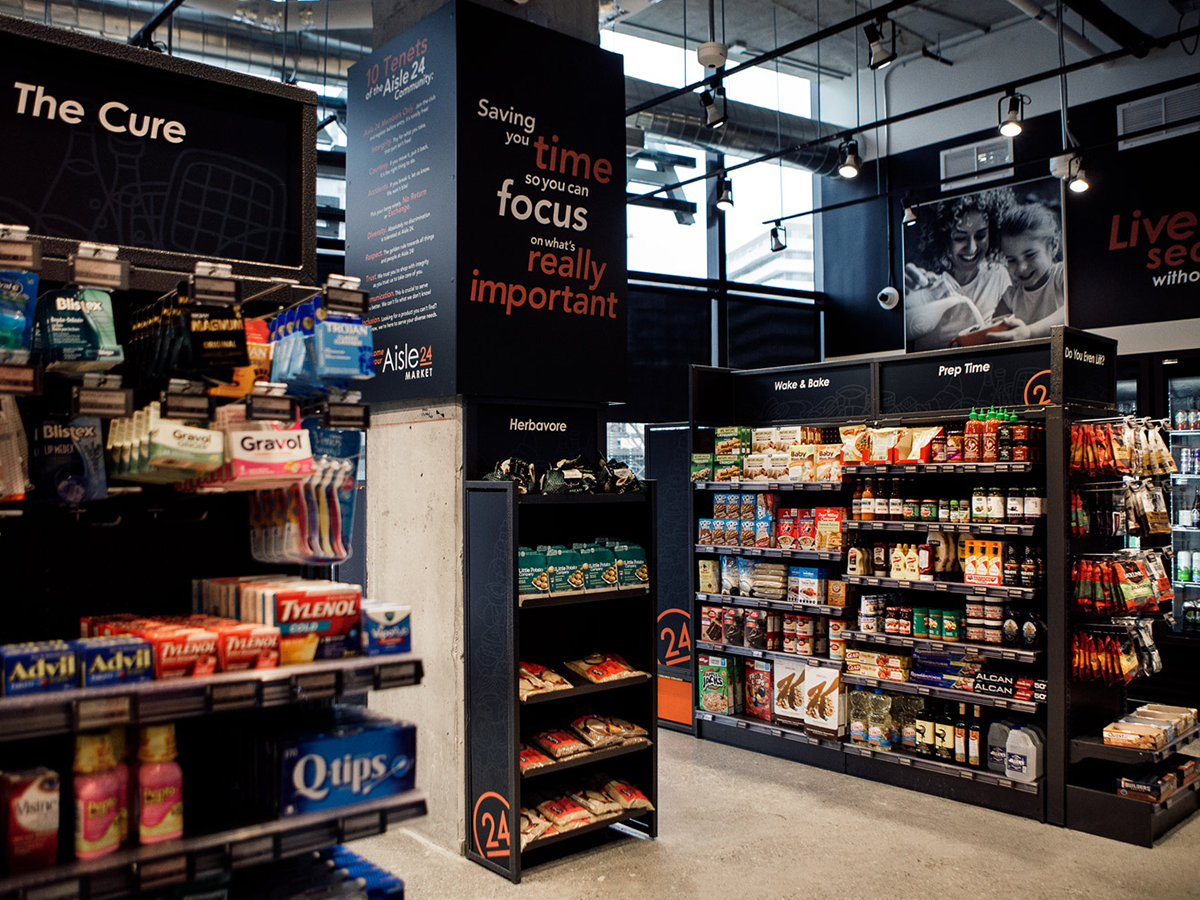
Toronto-based Buggy started in 2014 as a more traditional service in which gig workers shop at commercial stores and deliver groceries by car. Now, under Verkindt’s leadership, it’s taking control of its supply chain and workforce with a new model: For $2.99, a Buggy shopper will select items from one of its “dark stores,” i.e., microfulfillment centres located within its delivery zones. (Currently, those are in Toronto and at Queen’s and Western universities.) Buggy buys its supplies at wholesale cost and marks them up, netting the difference plus the delivery fee. It uses hired staff rather than relying on gig workers, and they deliver items via e-bike.

The goal is to get orders to customers in under 15 minutes. It’s the apex of convenience culture—but can it last? In December, Vancouver-based rapid-delivery company Tiggy announced it had raised $6.35 million in seed funding. Six months later, it ceased operating. Ninja, another similar company in Toronto, started advertising its services before quietly going offline earlier this year. Around the same time, Buggy raised $4.6 million; one of its benefactors said, “The decision to invest was a no-brainer.” Since then, it has acquired both Ninja’s and Tiggy’s Toronto assets. Even with these acquisitions, Buggy faces competition. In June, Loblaw announced its partnership with delivery company DoorDash.
While Buggy isn’t killing off its profitable legacy business anytime soon, Verkindt says most new investment is going into its dark-store model. She’s betting this approach will inoculate Buggy against some of the factors that have led to the demise of similar companies in the more developed European, American and Asian markets. There, high overheads, razor-thin margins and people resuming in-person shopping are showing that many of these services were not built to outlast the pandemic.
In Canada, these ventures face the added barrier of our sprawling suburban landscapes beset by car traffic, inhospitable cycling conditions and rising fuel prices. Right now, Buggy’s two lines of business handle suburban and urban demand. Its growth, however, depends on bringing the dark-store model to more densely populated areas—and whether customers will continue to pay for rush deliveries of emergency cilantro.
This article appears in print in the fall 2022 issue of Canadian Business magazine. Buy the issue for $7.99 or better yet, subscribe to the quarterly print magazine for just $20.