
How to Build Your Brand’s AEO Strategy
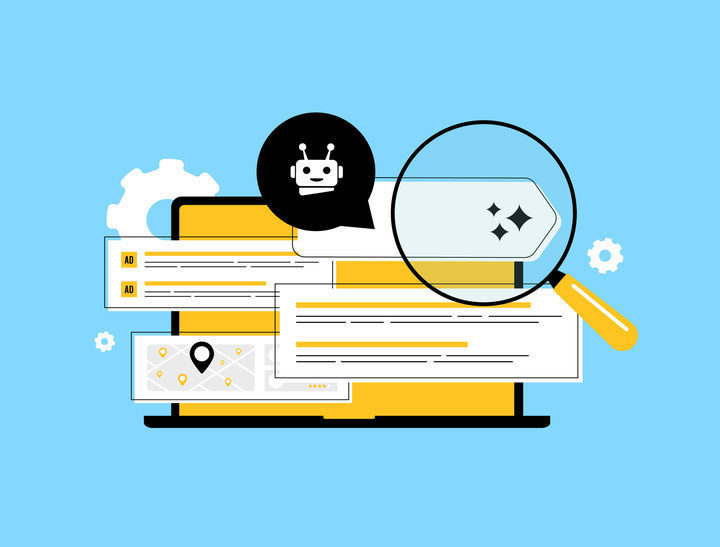
Online search is shifting from links to answers. Answer engine optimization (AEO)—the practice of structuring content so it appears in AI-generated responses—is starting to challenge Google’s long-held role as the go-to source for information.
For years, search engine optimization (SEO) has guided digital marketing strategies, helping websites rank higher in Google search results. But AI tools are changing how users find information, offering direct, conversational answers instead of lists of links. A Gartner study found that by 2026, traditional search engine volume could drop by 25 per cent as chatbots and answer engines handle a growing share of queries.
Consumers are already adapting. On platforms like ChatGPT, Gemini, and Perplexity, they increasingly rely on AI to decide what to buy, find the best deals, and compare products. A recent study by Clutch, a B2B ratings and review platform, found that 65 per cent of consumers have used AI tools to research products before making a purchase.
This shift is changing how businesses reach customers. Darian Kovacs, CEO of Vancouver-based Jelly Digital Marketing, sees SEO as a tool for driving clicks, while AEO focuses on building authority and credibility, rather than chasing immediate traffic. “It’s no longer about being the most popular player in town,” he says. “People want to engage with the expert who can answer their questions and connect the dots. That’s the most helpful presence, and that’s where AI focuses its attention.”
With AI tools already shaping shopper decisions, AEO can help businesses remain visible across these emerging channels. Kovacs shares three ways organizations can make their content more searchable.
Optimize for questions, not just keywords
While SEO aims to rank pages, AEO focuses on answering questions. Keywords matter in both, as they help search engines and AI understand what the content is about, but AEO uses them differently. Instead of targeting short, high-volume terms, Kovacs suggests using longer, question-based phrases that reflect how people interact with AI. Content should be structured accordingly to provide clear, direct answers—often through formats like FAQ sections that address the “what,” “how,” and “why.”
To put this into practice, Kovacs recommends choosing up to ten terms that closely reflect a business’s offerings. Naturally weaving these into website copy—and even code—signals their relevance to search engines, while structuring content with question-based headers, bullet points, and summaries further helps AI interpret it easily.
Tools like AnswerThePublic feature can help businesses identify common questions. Entering a term reveals trending questions and topics across AEO platforms, search engines, and social media. For example, a search for “dog sweaters” might show AI prompts like “Where to find dog sweaters for large breeds?” or “Where to buy warm dog sweaters near me?” Kovacs notes that Google’s “People Also Ask” section also highlights related questions, offering insight into how users search.” These insights can guide AEO strategy by creating content that directly addresses high-demand questions.
Leverage customer content
Customer reviews, questions, and feedback help AI understand a business and its offerings. These interactions provide the context AI needs to surface relevant content. When customers share their experiences, they create the real-world content AI relies on to evaluate a business’s services, quality, and reputation.
Kovacs suggests interviewing customers about their experiences with the business through video, phone calls, or online surveys. The insights gathered can then inform FAQ pages, blog posts, or other content that highlights recurring themes. Reviews on Google Maps can also help AI better understand a company’s products and location, improving its visibility in relevant searches.
This dynamic extends to third-party platforms. Answer engines also draw on forums like Reddit for user-generated insights. Kovacs notes that many users now include “Reddit” in their searches, where discussions often link back to established sources. As AI these conversations, strong customer engagement provide clear signals that AI can interpret and use to answer queries.
Build authority across platforms
AEO favours content from trusted, authoritative sources, such as reputable news outlets like The New York Times and peer-reviewed journals such as Science, just as Google values content from well-established websites. The difference is subtle–AEO focuses on sources known for their expertise and accuracy, while Google measures authority mainly through links and external references that signal trustworthiness.
Kovacs emphasizes the importance of businesses securing media coverage and featuring it on their websites, which helps demonstrate credibility to Google and Gemini. Reviews on platforms like Capterra.com and G2.com link directly to products, boosting their chances of outranking competitors in search results
Related: A Transformative Shift: How AI Is Changing the Way We Work
Partnerships can further strengthen authority in AEO results. Collaborating with competitors on white papers, reports, or listicles allows businesses to build credibility and generate trusted mentions. This could include a thought leadership piece on the industry or a listicle highlighting top products in a specific sector.
Kovacs notes that working with at least four competitors on a major report—and then breaking the findings into bite-sized pieces across multiple sites—can spark conversations among news reporters, amplifying the reach and visibility of the information. “It’s about giving people not just what to buy, but the knowledge they need when they turn to an answer engine for guidance,” he says.