
Why Buying Retiring Businesses Can Pay Off for Young Entrepreneurs

The landscape of entrepreneurship has changed dramatically since the last century, especially for young Canadians entering the business world. Today’s aspiring business owners face steeper competition, tougher financial hurdles, and increasingly complex market conditions. The effects are clear: according to the Business Development Bank of Canada (BDC), there are 100,000 fewer entrepreneurs in Canada than there were two decades ago. Yet with these challenges comes opportunity. As retiring business owners prepare to transfer up to $2 trillion in assets over the next decade, there is a growing demand for a new generation of entrepreneurs ready to take the reins.
At Futurpreneur—a national non-profit launched in 1996 as The Canadian Youth Business Foundation with initial funding provided by CIBC and RBC—we help entrepreneurs at the earliest stages of starting or acquiring a business. We provide non-collateralized loans alongside a flexible, two-year mentorship program. Each of our entrepreneur clients is matched with one of our 2,300 volunteer mentors, based on their individual needs, to help navigate the process of launching and building a business. We also offer business resources, targeted programming on topics such as marketing, and valuable networking opportunities.
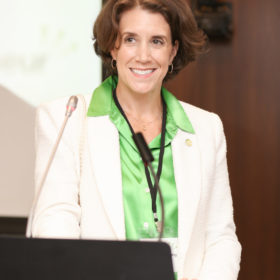
I became Futurpreneur’s CEO in 2018 after working in both the for-profit and non-profit sectors. That experience drew me to the organization’s mission, which is rooted in inclusive entrepreneurship—supporting the 90 percent of Canadian businesses that aren’t focused on innovation and technology, and often receive less attention. For us, it’s about meeting every entrepreneur where they are, recognizing their unique experiences and skills, and helping them grow.
Today, making it as an entrepreneur is far harder than it was just a few decades ago. Young people face significant challenges—many linked to globalization—including intense competition from large multinational competitors and crowded markets filled with similar offerings. Accessing financing has also become tougher, influenced by broader economic factors, like the housing crisis and inflation. When everyday expenses are a struggle, saving or borrowing to start a business feels nearly impossible. In response, some young entrepreneurs are choosing to acquire existing businesses rather than starting one from scratch. Instead of opening a café, for example, they can buy a beloved local coffee shop from a retiring owner and build upon its established legacy.
Acquiring a business offers many advantages. These businesses often come with physical space and equipment, a loyal client base and established name recognition—all of which can significantly reduce the risks of starting out. They’ve already weathered the risky early years and often have set financial routines, which a new owner can adapt and improve. With these basics already in place, entrepreneurs can focus on growing and innovating their business. It also provides a safety net—a degree of stability—especially valuable during economically uncertain times.
Of course, connecting buyers and sellers isn’t always easy, and we’re continually on the lookout to help business owners find the right fit. In the meantime, various platforms and registries across Canada are helping bridge the gap by listing businesses available for acquisition, such as SuccessionAI’s registry in the Greater Toronto Area, Village Wellth in British Columbia, and Repreneuriat Québec, among others.
Sometimes, connections happen organically through our own programming—such as #OwnersWanted, a workshop that introduces young entrepreneurs to the world of business acquisition, or Venture for Canada’s ETA Academy 101, a deeper dive into entrepreneurship through acquisition. Other times, young entrepreneurs approach us after they’ve already identified a seller, seeking guidance and support as they navigate the process.
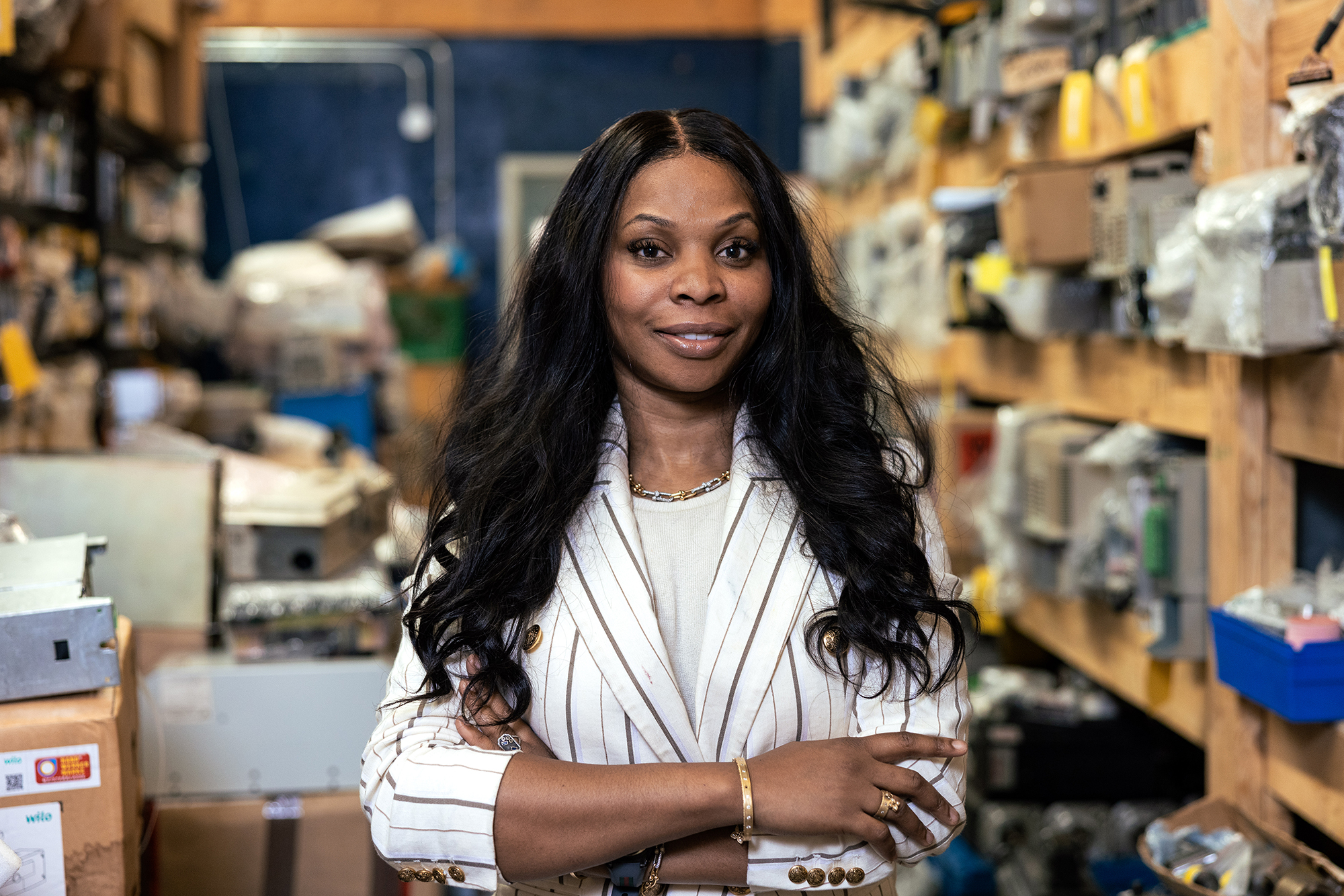
That was the case for Kirsten Burns, who acquired Tri Fit Training in Airdrie, Alberta, in October 2024. After working as a manager at Tri Fit for five years, she began considering opening her own gym. While scouting potential locations, her boss informed her that she was considering selling the business. Burns turned to RBC for financing, and they referred her to us. Through Futurpreneur, she secured a loan and was paired with a mentor who helped her develop skills in social media management and strategy.
Encouraging business acquisition among young entrepreneurs means redefining entrepreneurship—not just as launching something new, but as building on what already exists. While entrepreneurship is often portrayed as a fast track to wealth or independence, the reality is far more complex. It requires taking responsibility for customers, suppliers, and employees, and persevering through the most challenging phases of building a sustainable business. Most so-called “overnight successes” typically have ten or more years of effort behind them.
That’s why we aim to strengthen connections between younger and older entrepreneurs, helping the next generation build solid business plans and prepare for the future. Understanding the everyday realities of entrepreneurship not only better equips new business owners but also makes ownership feel more attainable. Not every venture is in a groundbreaking new sector, and creating the next big thing in tech isn’t necessary to succeed.
A key part of ensuring a smooth transition from one owner to the next is conducting thorough due diligence, including the crucial lesson of avoiding assumptions. For example, Burns hesitated to ask her boss if the business was for sale, fearing it may offend them. But pushing past that discomfort and asking tough questions can transform a situation, as it did for her.
Once the transfer is agreed upon, it’s important to identify what the business may lose with the previous owner’s departure and how to address those gaps. That’s why matching the right owner to the right business matters. For example, a business that relies on a hands-on, sociable owner may not suit someone with a more hands-off leadership style. Clear communication and a solid understanding of the financials are also vital throughout the process. If finances aren’t the new owner’s strength, bringing in an accountant can provide valuable support.
Lastly, promoting successful acquisitions starts with carefully considering how the deal is structured. A written agreement is crucial to protect the interests of both parties. New and old owners need to decide on the right approach for them—whether that’s a set price, an earn-out, or an equity buyout—and explore the potential outcomes of each. For example, in an earn-out scenario, what happens if the business struggles? Can the buyer still keep it running, and will the seller be fairly compensated? As the business transitions, does the new owner have the assets and adaptability to handle emerging challenges? Some buyers and sellers choose a longer transition period to work through these challenges together, which can greatly improve the chances of a successful handover.
Related: How to Set Up a Solid Succession Plan
Everyone has a role to play in shaping a stronger, more inclusive economy. For governments, this could mean reducing red tape around business ownership transfers, easing interprovincial trade barriers, or expanding financial supports to make ownership more accessible. For consumers, choosing to support local businesses—even when it costs a bit more—can make a meaningful difference.
Times are undoubtedly challenging for new entrepreneurs and small businesses. Rising financial and political uncertainties—partly driven by instability south of the border–have forced us to rethink the future of our economy. In this context, young entrepreneurs can contribute significantly by creating jobs, driving innovation, and helping to mitigate the economic challenges posed by Canada’s aging population. Those acquiring businesses can already tap into renewed interest in buying Canadian and expand beyond their core client base. And if that means maintaining the jobs, valued services, beloved products and institutional knowledge of the businesses already built by previous generations of Canadians, then all the better.
– As told to Marta Anielska