
How to Beat Gen Z Workplace Burnout
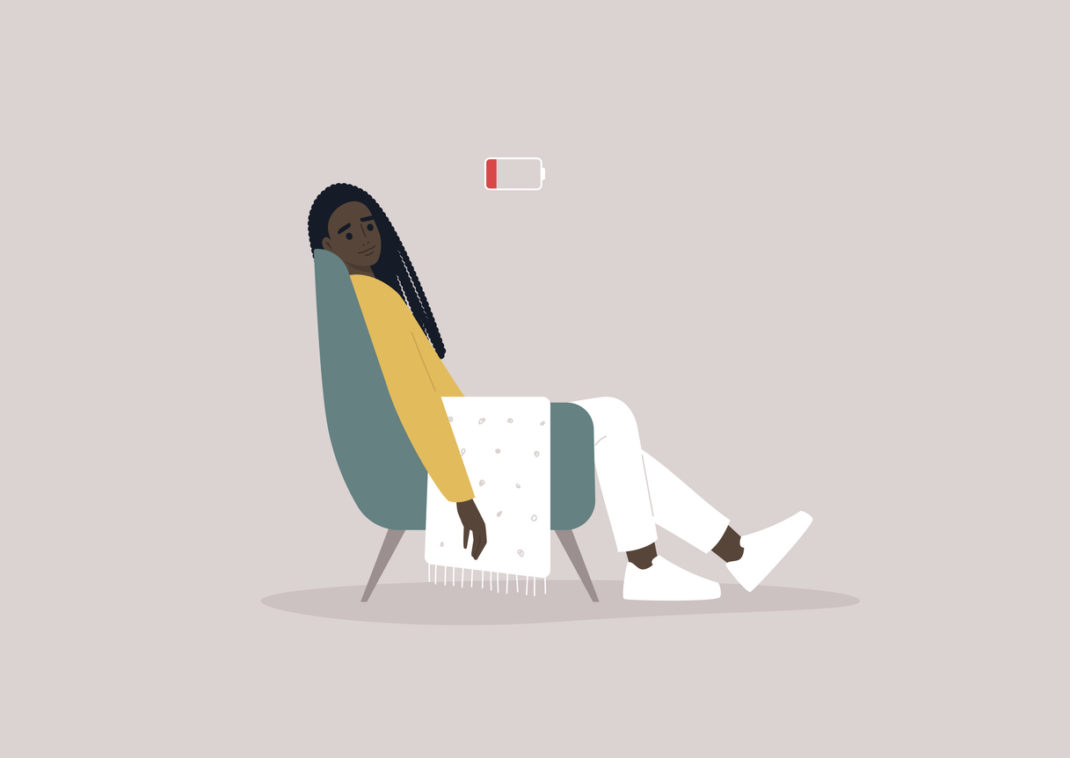
Burnout rarely has a single cause. It typically develops gradually as multiple pressures accumulate, leading to emotional and physical exhaustion. In the workplace, it can stem from prolonged stress, such as heavy workloads or a lack of control over one’s responsibilities–or conversely, from too little purpose or challenge, often referred to as “underperformance burnout.”
At its core, burnout reflects an imbalance between demands and the resources available to meet them. High expectations alone don’t cause burnout—but when people lack internal or external support to cope, the risk rises. Some professionals can thrive under pressure if they feel equipped and supported. That’s why it’s so important for workplaces to offer real growth opportunities within systems that look after employees’ well-being, reducing burnout and promoting long term-engagement.
This balance is especially critical for Gen Z, who face unique pressures as they enter the workforce. The pandemic disrupted their education and delayed the start of their careers, compounding feelings of social isolation. At the same time, they’re navigating a world shaped by political unrest, the constant influence of social media, and rapid shifts in how and where work gets done. Unlike previous generations, Gen Z places a higher value on flexibility, purpose, and lateral growth. Highly tech-savvy, they’re also eager to develop their digital skills quickly. When these needs go unmet, burnout becomes more likely. A Robert Half study found that 51 per cent of Gen Z workers report feeling burned out compared to 32 per cent of Gen X and 29 per cent of Baby Boomers, with Millennials leading at 55 per cent.
These generational shifts in how work is approached are important to understand, especially for those of us supporting employee well-being. I’ve worked in the employee assistance field for over a decade after starting my career supporting families and children, particularly as an educator for those on the spectrum. Today, I serve as the vice president of clinical service delivery at Workplace Options, a company where we help employers, unions, and syndicates provide mental health resources and coaching services to ensure worker well-being.
In this role, I’ve seen firsthand how Gen Z’s evolving needs are reshaping the conversation around workplace culture and mental health. This generation values flexibility and autonomy in the workplace. However, one of the generation’s biggest challenges is the lack of interpersonal relationships with colleagues coupled with poor support from management. While research is still emerging, these feelings of disconnection seem closely tied to today’s work set-ups—whether fully remote, hybrid, or mandatory in-office—and Gen Z’s relationship with technology, including constant digital communication, social media, and virtual collaboration tools.
Traditional communication styles Millennials grew up with, like frequent meetings and water cooler chats, don’t always meet Gen Z’s needs. As a result, younger workers often struggle to build meaningful relationships, miss out on professional development, and face a lack of transparency from managers or older colleagues. This ambiguity about their role and the company’s direction can fuel burnout, especially when they don’t see how their work fits into the bigger picture.
At the same time, one of the largest contributors to burnout is the isolation from remote work. According to Gallup’s State of the Global Workplace report, while remote workers are most likely to be engaged, they’re also the loneliest: 27 per cent of fully remote workers report feelings of loneliness compared to 21 per cent of their on-site colleagues. This sense of disconnection, combined with weak communication and limited relationships, greatly heightens the risk of burnout. The challenge for today’s leaders is to offer flexibility without sacrificing connection.
Supporting Gen Z and reducing burnout starts at the top. Executive teams should provide career development opportunities, such as tuition support for continued education, time off for training, access to certifications, conferences, and workshops, as well as increased mentorship to foster relationship-building. In fact, learning and growth opportunities are cited among the most valued aspects of the workplace for Gen Z. While climbing the ladder may not be their priority, continuously expanding their skillset through ongoing education is.
Clear and transparent communication is essential. Day-to-day organizational changes should be communicated effectively to help workers feel included in decision-making. Employees often become disenchanted when major changes like layoffs occur without explanation. To maintain trust and morale during uncertain times, it’s crucial to be honest about why changes are made and to communicate clearly throughout the transition. Poor management and lack of transparency during these periods can quickly erode employee confidence.
Mental health support also needs to be ongoing. Gen Z has both the language to discuss mental health and burnout, and the courage to act on it. They won’t accept the workplace status quo simply because “that’s how it’s always been” and are willing to walk away from environments that don’t meet their needs. Too often, companies introduce resources to employees during onboarding, but by the time they actually need them, they’ve forgotten what’s available or how to access it, resulting in many resources going unused.
As people leaders, we must meet employees where they are by creating an environment where mental health support is both accessible and clearly communicated. That could include leadership training, regular newsletter updates, information on internal platforms, posters in common areas, and reminder emails about available programs. Supporting Gen Z’s well-being isn’t just the right thing to do—it’s essential to prepare them to meet future labour demands and fill roles as the aging workforce retires.
Related: ‘I Was Worried About How I’d Connect with my Coworkers’: Young Employees are Struggling to Adapt to the Office’
We often think of Gen Z as the first “difficult” generation to work with, but in reality, this cycle repeats itself every decade. Each new generation enters the workplace with fresh values and expectations, prompting the previous one to say, “This isn’t how it worked back in my day.” Our role is to adapt, share knowledge, and foster mutual learning across generations. Gen Z’s entry into the workforce wasn’t easy. Many were still in university when they had to abruptly switch to remote work, stepping into a world shaped by political and social upheaval, and fast-evolving workplace realities.
While every generation has had to adapt to change, Gen Z faces a distinct set of challenges that significantly increase their risk of burnout. But if we expect burnout as a given without building systems that protect against it like flexible work options, access to counselling, and open two-way communication between leaders and workers, we risk creating a self-fulfilling prophecy.
– As told to Rebecca Gao