
How to Build Connection With Customers on Substack

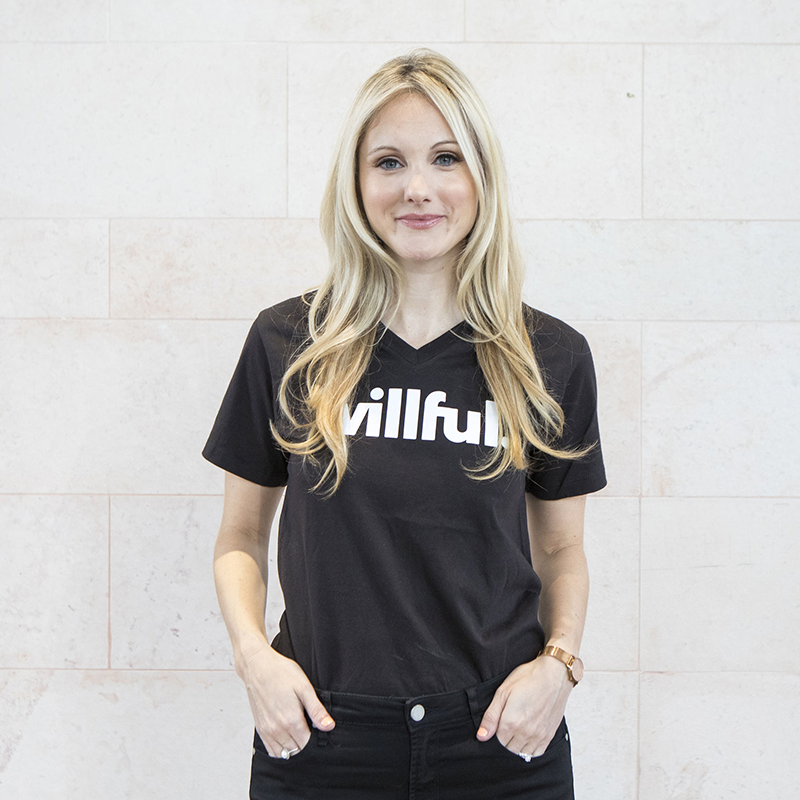
In February, Lauren Sudeyko launched her Substack newsletter, marking the start of her public journey to build her wellness brand, Sleep or Die. “Welcome to the first edition of the Sleep or Die Diaries—a behind-the-scenes look at what it takes to build a bold, rebellious, category-defining sleep brand,” she wrote shortly after debuting the Vancouver-based company.
The brand’s hero product—a punchy, bright red sleep tape stamped with “Sleep or Die” in white—was designed to highlight the connection between sleep, well-being, and longevity. The concept is that mouth tape encourages nasal breathing during sleep, which is believed to promote deeper, more restorative rest than mouth breathing. “The company was inspired by the insight that Gen Z and younger millennials have been sold the same sleep narrative their entire lives,” says Sudeyko, who previously held marketing roles at Google and PepsiCo. “Sleep has become robotic, feels like a chore, and the category is dominated by dull navy and lavender tones.”
Sleep or Die seeks to disrupt the sleep industry’s typical haze of purples and blues with striking branding and unapologetic messaging. Its mascot, Persephone–a sheep that never needs counting, according to the Sleep or Die Diaries–embodies the brand’s rebellious spirit. True to its name, the company pulls no punches in its Substack, where Sudeyko candidly chronicles the highs and lows of building her first company. Her most popular entries explore the loneliness of solo entrepreneurship, the unseen product decisions that don’t make it onto the brand’s curated Instagram, and the time Sudeyko personally handed Patrick Schwarzenegger a sample of sleep tape at Pop Up Grocer in New York, the brand’s first retail stockist.
Sleep or Die joins a growing wave of brands, including American Eagle, Tory Burch, Set Active, Rare Beauty, and Saie, turning to Substack to tap into its ability to cultivate community and authenticity often lacking in traditional sales marketing. As brands compete for attention in crowded inboxes, some are flipping the script on email. Instead of just selling products, they’re using it to build deeper connections with customers.
“More brands are seeing email as a way to build genuine connections with their audience, rather than simply a channel for pushing promotions,” says Sarah Bartnicka, founding editor of The Peak–a business newsletter that saw 400 per cent subscriber growth under her leadership. She now writes Milk Bag, a Substack business newsletter with more than 4,000 subscribers since launching in April. “A great newsletter engages readers and keeps your brand top of mind, which naturally nudges potential customers along the buying journey.”
Launched in 2017, Substack allows creators to publish content directly to their audiences for free. It stands out from competitors like Ghost, Mailchimp, and Kit (formerly ConvertKit) with features that help readers find new writers and engage with communities. Users can like and comment on posts, join conversations through Substack’s chat, and explore new creators through the Notes feed, which features posts, quotes, comments, images, and links. Now seen as media’s cool new kid on the block, Substack has more than five million paid subscribers—up from two million in 2023—and has expanded into podcasts and video. The platform takes a 10 per cent cut from paid subscriptions to fund operations and provide services like sales and legal support for creators.
After stumbling upon Substack earlier this year through a fellow founder’s post, Sudeyko decided to create the Sleep or Die Diaries. Her aim was to provide an honest look into the process of building a brand—from late-night packaging sessions to the challenges of brand collaborations. Today, paid subscribers—whom Sudeyko humorously refers to as her “zombies”—actively help shape product launches with their input. In a June newsletter, they voted on their favourite packaging for Sleep or Die’s second product release.
Unlike LinkedIn or Instagram, she describes Substack as a safe space to be vulnerable. Behind the edgy branding is a moving personal story: Her mother struggled with an addiction to sleeping medication, which inspired the creation of the company. “Substack is the only place I’ve shared that narrative because it felt like I could tell the whole story,” she says. “A lot of people showed up for me and sent me wonderful notes after that.”
While growing the brand’s presence and revenue wasn’t the original goal of the Sleep or Die Diaries, it has seen notable success. Instagram and word-of-mouth recommendations remain the primary drivers of sleep tape sales, but Sudeyko says about 10 per cent now come from Substack, based on post-purchase attribution data. The newsletter, with a growing subscriber base of more than 600, boasts an open rate of above 50 per cent—well above industry standards.
Since Substack is centred around community and content, simply repurposing a traditional email marketing strategy won’t work, says Bartnicka, who now works as a consultant for brands from early-stage start-ups to multinationals. She notes that today’s audiences have little patience for purely promotional emails. Creating a successful newsletter—especially on a platform like Substack that values authenticity—requires resources and intention.
“ It’s a strange exercise in reverse psychology,” says Bartnicka on how brands should approach Substack. “The less you think about engagement metrics and the more you think about making great content, the more engagement you’ll get.” She’s seen a clear difference in the data—high-quality Substack newsletters often outperform typical marketing emails, with open rates 30 to 40 percentage points higher.
Bartnicka advises brands to define a clear focus for their newsletter beyond just brand awareness or engagement. She suggests the goal should be for readers to easily describe it in one sentence. For example, Rare Beauty’s Substack offers an unfiltered look inside the company, with team-written backstories on new collaborations and exclusive insights into product development.
She further suggests brands consider the specific value they can offer readers. This could mean asking: What insights or information do they already have that could genuinely help customers? She notes that companies are often sitting on troves of content, such as product reviews, customer testimonials, and internal data, which can be turned into compelling long-form stories.
Establishing a distinct voice is also crucial. Some Substack newsletters are published under the brand’s name, while others are written by the founder. A common misstep, Bartnicka points out, is presenting a newsletter as founder-written when it’s not. “Audiences can tell, and it feels deceptive when you’re trying to build trust. Ideally, the person leading the newsletter should be closely involved in crafting the product or interacting with customers, and possess strong editorial skills.”
Companies should also consider their publishing cadence. In the first six months of her Substack, Sudeyko published weekly but later shifted to a biweekly schedule after realizing it wasn’t worth posting unless she had something worthwhile to share.
Related: Thinking About Launching a Newsletter? Here’s How Wealthsimple Did It
Finally, building a community means actively interacting with others, including connecting with founders or businesses in related niches and nurturing those relationships, says Sudeyko. Now, the Sleep or Die Diaries publishes longer newsletters at least twice a month while interacting with readers by liking and replying to comments between three and four times a week.
Above all, Bartnicka advises against starting a Substack—or any newsletter—just for the sake of it. She says the platform should align with the content a brand truly wants to share. While Sudeyko still uses traditional marketing emails, Substack plays a key role in connecting with her customers. “I knew I wanted to use Substack when the first post practically wrote itself,” she says. “Building a brand, ethos, and community involves so much that doesn’t fit anywhere else.”